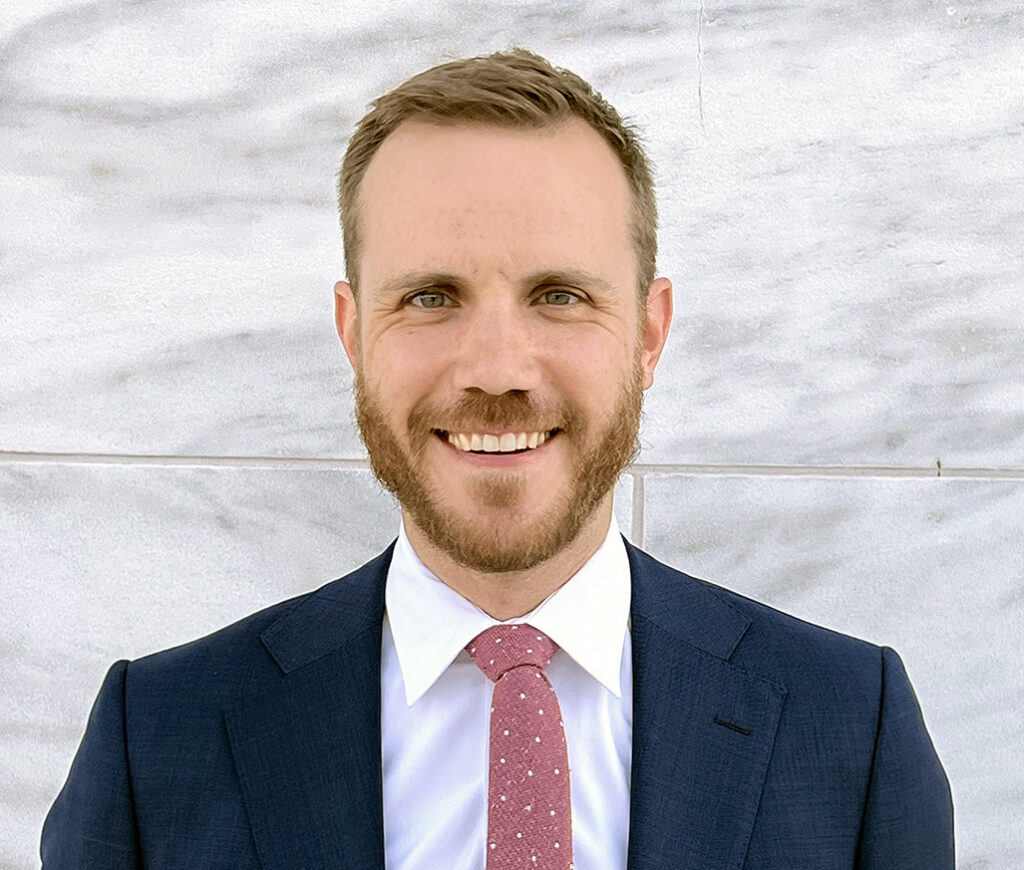
Mike Lavender is the Policy Director of the National Sustainable Agriculture Coalition (NSAC). Read more about our conversation with Mike on sustainable agriculture policy, regional and local farm systems, and the future of sustainable agriculture in the U.S.
This interview has been edited for clarity and length
MS: What is NSAC and what does policy reform through NSAC look like?
ML: NSAC is a member based organization, we have over 170 member organizations nationwide and we advocate for policies that support their goals and priorities. Our members aren't just farmers, they're involved in farmers markets, local and regional food systems, and research. Many of our members provide technical guidance to farmers and ranchers. We have a unique position of understanding a lot of different components of the food and farm system and how they fit together. Our job is to take our members' priorities and experiences and carry them into legislative text and include them in a final farm bill.
MS: What inspired you to get into sustainable agriculture policy?
ML: I was initially prompted to get into sustainable agriculture policy due to circumstance. One of the things that has kept me in this field over a decade is the connections federal, state, and local policies have on our daily lives, from health of rural and urban communities, what's on your plate, to the environmental consequences of how we're managing our food and farm system.
MS: How can policy be implemented to improve agriculture sustainability?
ML: Federal policy touches almost every component of the food and agricultural system. For the past several decades it has been a model of concentrating and consolidating land and resources into fewer and fewer hands. This means it is often harder to access land and enter the field as a young or early farmer. Federal policy can be a significant driver to the right solutions.
MS: What policy is NSAC working on in resource and water conservation?
ML: The most popular federal conservation programs are turning away about 70% of their applicants because they are so popular. There's not sufficient funding for them. It’s important to be building healthier soil through a variety of different agricultural practices, especially from a water retention standpoint. Healthier soil can better withstand floods because the soil can absorb more water and hold more water rather than completely being washed away. In 2022 Congress passed legislation that resulted in significant investment in conservation programs, which we were champions for, Now we are advocating to protect those funds from being cut and it is one of the top priorities that we have heading into the new Congress.
MS: How do you communicate new research with farmers?
ML: Certainly there's an aspect of “here's a body of evidence” where we can say definitively that if there's greater adoption nationwide of perennials on agricultural land, we know we're going to see these types of outcomes. The farmers and ranchers we work with are business people. Their farm is their livelihood. Through experience, trial, and error, farmers come to the conclusion that things that are better for soil health, are the things that can make them productive, or more resilient to drought, flood, or to other natural weather extremes. The way to have conversations about research is not to say “this is what it is”.The right way is to facilitate conversations between farmers in different parts of the country or down the road to each other and share experiences of what has worked. There is no single model in any part of the country, even a single county.
MS: What local and regional systems impact farmers?
ML: Think back to the pandemic. In those days there were long lines to get into grocery stores. You could only go in at certain times, and oftentimes many of the shelves were empty. There weren't enough workers and they were getting sick. They didn't have enough protection.The bottleneck was that there simply weren't enough meat processing plants. There are a number, obviously, in this country, but they tend to be huge, hard to access, and not equitably distributed throughout the entire country. So when workers started getting sick because they weren't afforded the protections early in the COVID pandemic those plants shut down. There weren't enough other plants to process livestock which ultimately left grocery store shelves empty. That's a really salient example of if you're investing in local and regional food systems, in this case, livestock processing, you are more resilient in the case of a pandemic or some other shock. If you do that nationwide, then, when some sort of disaster happens, you're reducing the chance that there's an impact.
MS: How would you invite the general public to engage meaningfully with the food they consume?
ML: It could be something like talking with the farmers at the farmers markets themselves, understanding the challenges they're experiencing, and building a relationship with them. You could do something as simple as going online and searching, what does USDA organic mean? When I'm buying an organic food or considering buying an organic food, what does that mean? What's the difference between how different food is grown? These relatively minor understandings can be really foundational to building a more robust, resilient food and farm system, because you have more consumers understanding the people who are growing their food and the challenges they experience, how their food is being grown. I think those are two really foundational aspects to folks getting involved. There are also a wide variety of organizations, including NSAC that are translating for the public what's happening in food and agriculture policy. You can go to the NSAC website, www.sustainableagriculture.net. We have a blog that's updated multiple times a week with consumable pieces articulating what's happening in Congress and the administration and how that impacts food, farm policy, farmers, and ranchers.
MS: How do you envision the future of sustainable agriculture?
ML: We can see the path that we need to take to a more sustainable future. We can see how we need to treat our soil, make sure farmers have viable livelihoods, and how there are a lot of people who are hungry in this country and how support for feeding them needs to be a part of our food and farm system. We can see the challenges, but we can also see some solutions. We have to create a food and farm system that does not skew policies and benefits towards the largest, wealthiest farmers. We need to make sure that federal policies in our system are benefiting all farmers and folks within the food system equitably, and we don't have that right now. So in 10-20 years, we need to take the lessons that we've learned from the pandemic. It's our job to make sure that lawmakers are charting a path that does not shut people out.
Do you have a story to tell about your own local engagement or of someone you know? Please submit your idea here , and we will help you develop and share your story for our series.