Tell Us About Yourself
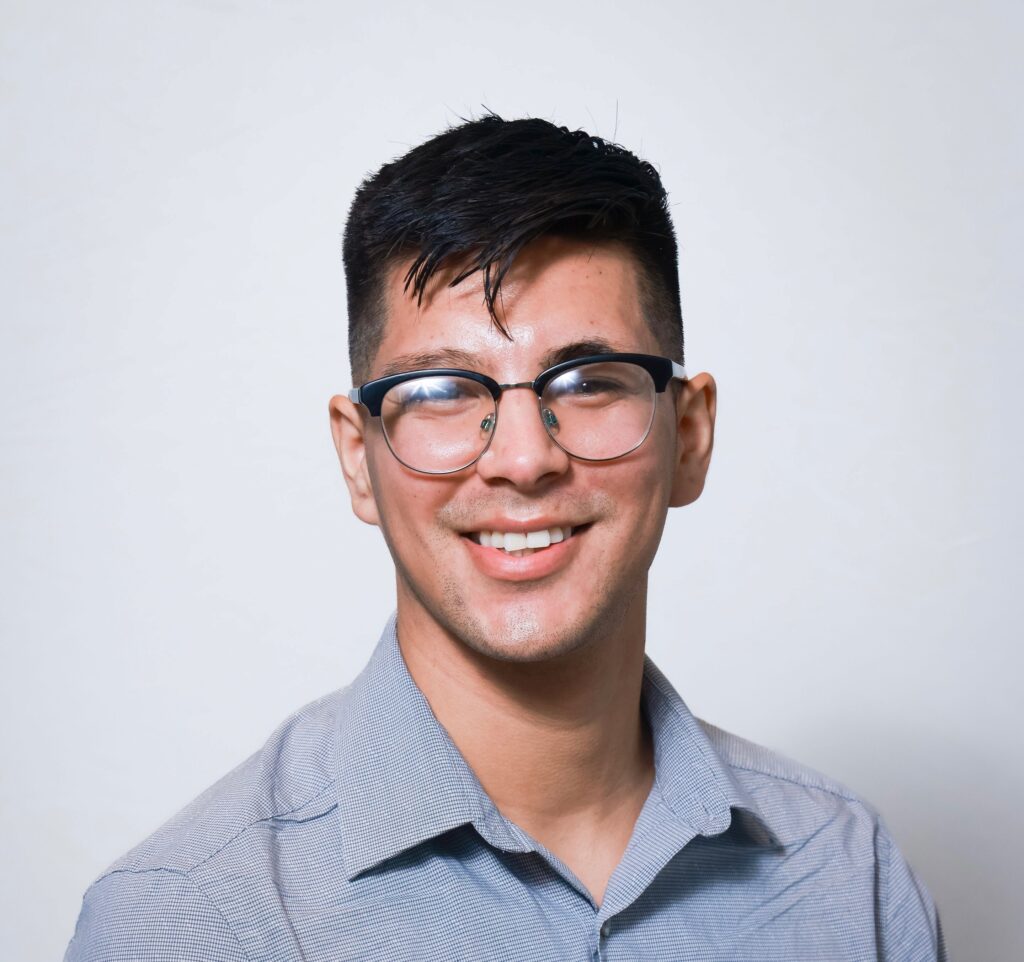
I am currently a postdoctoral researcher at Rutgers University-New Brunswick with an Institutional Research and Academic Career Development Award (IRACDA) Fellowship, where I obtain funding for my research and to help teach at a nearby partner university. My research focuses on investigating immunotherapy responses for melanoma patients using machine learning methods.
What is important to you about engaging with your local government?
It is important to engage with my local community involving science policies because the research community in academia is directly impacted by these changes. Although scientists and engineers traditionally only focus on the technical aspect of investigating a research problem, creating a physical product, or brainstorming new directions to move into, science policy has a role in every single aspect of our roles.
What did you do?
Science Policy and Advocacy at Rutgers (SPAR), a student organization, hosted a workshop on how to publish a comment for the expansive new rules on federal research funding proposed by the Office of Management and Budget (OMB) in May of 2026. Some of these new rules include prohibition on using federal funds for foreign collaborations and limitations of using funds for conferences, journal access, and professional societies, as well as many other activities that are central to the practice of open scientific research. As I have progressed through academia, I have increasingly realized how much policies impact what research gets conducted, who gets to conduct this research, and how many resources are allocated to areas of research. These sweeping new proposals invigorated me to get involved with my community at Rutgers, and I was interested in attending the workshop to better understand how to make a public comment efficiently and strategically.
What happened?
I participated in the workshop along with other individuals who felt like they needed to speak up about the new OMB rules. The group discussed how important the proposed policies were in dictating the research that we had conducted previously, currently conduct and will conduct. Additionally, we reflected on the plethora of career-influential opportunities that were made possible by federal funding. We also emphasized how these new rules would limit scientific opportunities for the next generation of scientists, constricting the STEM pipeline across the country. The workshop then outlined how to effectively write a public comment to ensure it was clear, concise, and understandable for a lay audience.
What did you get out of this experience?
After attending the workshop by SPAR, I made a public comment to these proposed changes, along with about 500,000 comments that were made by organizations and individuals through both public and anonymous submissions. This experience showed me that although I only submitted one comment, the collective voice of the scientific community was grand. My voice mattered and so did the voices of so many others when we made the effort together. This process was one of my first experiences with science policy at the local and federal level. I had been involved in science education and study organization advocacy through my education and during my time as a postdoc. But this experience really opened my mind about the possibilities of broader science policy and how I could get involved.
Header image attribution: "Your voice Matters logo" by Your Voice Matters and I modified and edited the logo to their specifications is licensed under CC BY-SA 3.0. To view a copy of this license, visit https://creativecommons.org/licenses/by-sa/3.0/?ref=openverse.