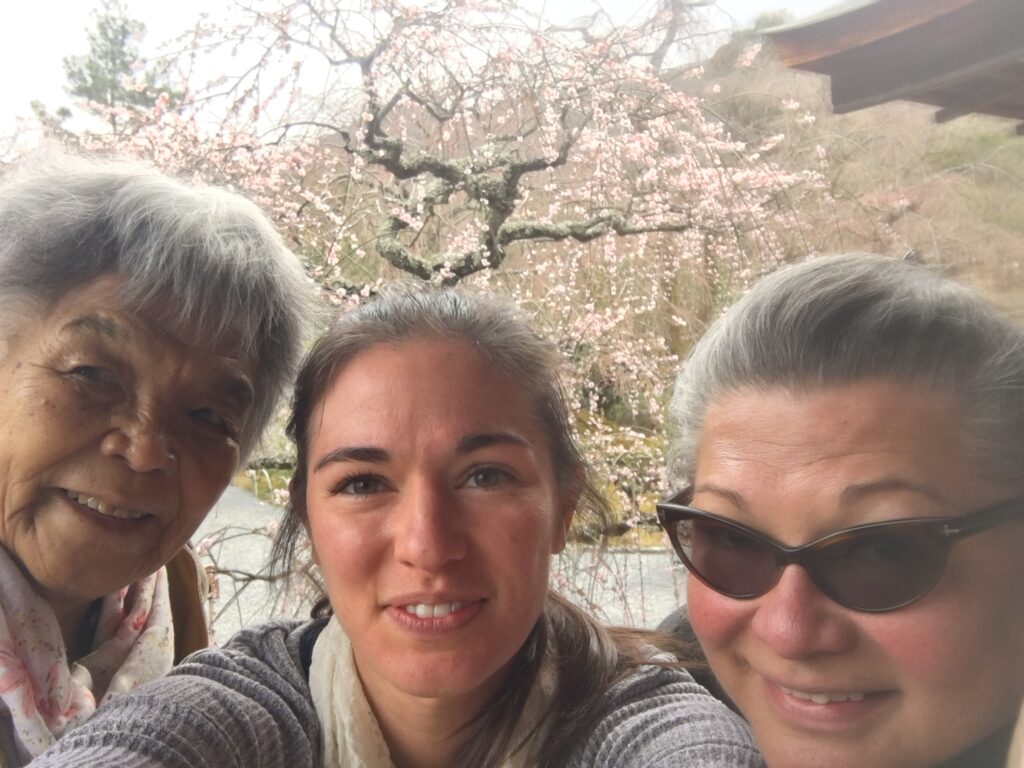
The backdrop to many of my earliest memories is my mother’s garden in Memphis. Before and after work and school, we’d walk the yard together, sharing our observations. On the weekends, we would turn on some music, pick up the shovels and pruners, and tend to the garden’s seasonal needs. I’d listen to her use Latin names I knew I’d never remember and noticed how her observations were shaping mine. We never used the term at the time, but I now see her as my first science teacher, teaching me both from what was passed to her and what she learned and experienced throughout her life.
Growing up in the city, almost all of my connections to “formal” science were through school. We were taught the information through textbooks and lectures, sometimes had a chance to participate in a lab activity, but often felt as though our lives did not have a role for science and science did not have a role for us. The everyday science I had learned from my mom never felt like it warranted the title of “science.”
When I accepted a job after graduate school, I was introduced to citizen science projects, projects defined by scientists and designed to engage the public in collecting scientific information. I was working for Emory University in the sustainability office and was introduced to the myriad ways people all over the world were participating in citizen science projects to track changes to the natural world. Species, temperatures, weather patterns, and nearly every natural force were and continue to be impacted by human actions, and citizen scientists play an integral role in recording and reporting what’s happening.
Through citizen science projects, we are all called in to be part of a long legacy of formal citizen science efforts, dating back to the 1800s. We are the observers and recorders who help scientists determine just how impacted our planetary systems and inhabitants are and what that might forebode about humanity’s future. At Emory, we promoted pollinator counts and bird migration tracking opportunities. Eventually, we started using apps, like iNaturalist, regularly to add to information about the species on campus. With the proliferation of smartphones, most of us could contribute to scientific knowledge seamlessly. At the time, I never questioned the directional movement of information from our smartphones to scientists somewhere, using what we reported but never reporting back to us.
The Urban Heat ATL project changed this for me. This community science project seemed different. Scientist-activists from across the Atlanta region teamed up to map urban heat across the city. They defined the purpose of the project–to determine which residents were most at risk from urban heat–and the design that trained and engaged walkers, bikers, and drivers to collect data using hand-held monitors. They mapped and shared the results, so that anyone could access the data.
Community Science for Local Agency
Now, through Engineers & Scientists Acting Locally (ESAL), I have been energized to learn about the broader spectrum of citizen science and community science happening in communities across the country.
In my first year with the team, Cynthia Prieto-Diaz joined us as a local engagement volunteer. She was seeking ways to move multiple environmental health projects forward, including an effort to put air quality monitors into the hands of residents who wanted more information about the air quality around them and who wanted to contribute to filling important data gaps.
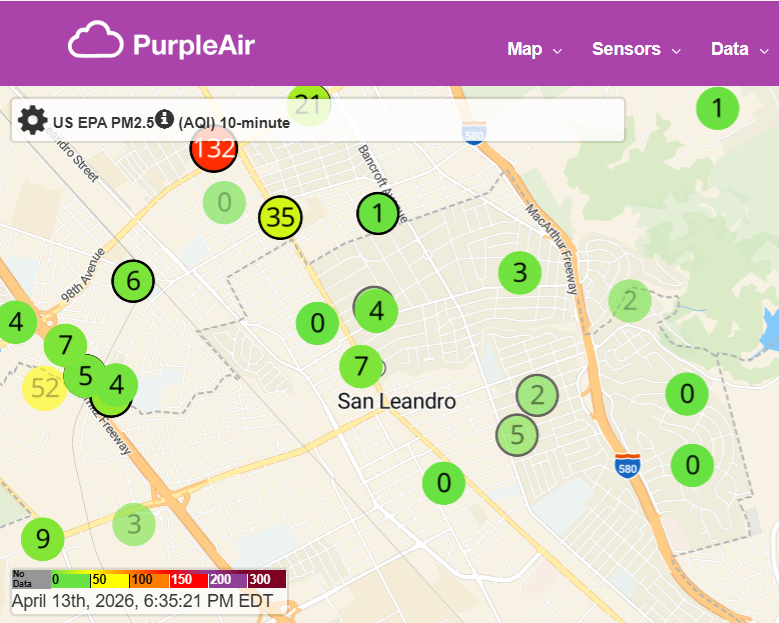
Cynthia noticed pollution near her residence and became a strong advocate for her community's air quality. After her initial complaints through the Bay Area Air District seemed to be ignored, she arranged a meeting with her city council member. She leaned into her scientific background to present an agenda with clear concerns and potential solutions.
“Using my audacity and being wonderfully impatient, I felt the need to bring solutions beyond just complaints,” Cynthia recalled. “That is also why, when I felt my complaints went nowhere and being unfamiliar with the complaint-handling process at the Bay Area Air District, I was interested in applying to join the Community Advisory Council. I thought my participation would help bridge gaps in that complaint process by bringing a community-engineering perspective and blending my lived experience with my technical root-cause analysis. I could help develop solutions grounded in community needs and organizational feasibility.”
Her actions earned her a city leadership award, which she felt was premature. Cynthia started engaging further with the Sustainability Division, petitioning for the introduction of monitors installed near higher-pollution areas and for portable air quality sensors residents could borrow from the library. This would empower residents as community scientists in industrial areas that lacked real-time monitoring.
Eager to increase the use of air quality sensors, Cynthia connected with the Environmental Protection Agency to promote the program for wider adoption and awareness. Cynthia also organized a three-part series on air quality and environmental justice. The first two workshops were coordinated with facilitation and expertise provided by the Educator Collective for Environmental Justice. Throughout the series, neighbors were trained on using sensors, building DIY home air purifiers, and encouraging participation in zoning and policy decisions to address pollution long term.
Everyday Citizen Science at Scale
This year, ESAL welcomed Darin Gray to the board of directors. Darin has many local roles, including one as a SciStarter ambassador. Darin and other volunteer ambassadors are trained to raise awareness about citizen science and engage members of their communities in active projects. By being a part of ESAL and SciStarter, Darin envisions everyday people working with scientists and engineers to have agency and a voice in the future of the places where they live and work.
“I became a SciStarter ambassador so I could help kids and their families learn about citizen science by doing activities such as soil testing and air quality monitoring,” Darin shares. “Through our partnerships with the Los Angeles Public Library, kids are using science to learn about their communities.”
This month is Citizen Science Month, an especially important one for SciStarter. Their goal is to engage as many people as possible in at least 2.5 million acts of science by the end of April. There are activities in hundreds of locations and for people with varying accessibilities.
“This year, as a partner of the Los Angeles City Nature Challenge, my team and I will be able to help kids and college students document nature across the greater Los Angeles area which will help scientists learn about the biodiversity of the region,” Darin says.
Science by and for Everyone
If I did not have the chance to grow my scientific curiosity by learning alongside my mother and others, I am not certain I would have expanded my frame of reference to see the power of everyday acts of science and how they can serve community-driven and research purposes. Citizen science and community science can be protective of and empowering to communities. Through the reinvention of research design processes, citizen and community scientists are planting more seeds for future scientists by growing the accessibility of engaging with science. Together, these approaches raise the general belief that science can and should play a central role in our everyday lives and in protecting the health and wellbeing of our states and communities.